A Place of Safety • Cara Gereau • Equine Somatic Practitioner • S4 E34
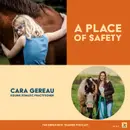
Episode Description What if healing isn't about trying harder...but about learning to listen? In this episode, I sit down with equine somatic practitioner Cara Gereau for a thoughtful conversation about trauma, trust, emotions, and the remarkable way horses respond to what we're actually feeling - not what we're trying to hide. Together they explore how our bodies often know the truth before our minds do, why animals can become powerful partners in healing, and what horses ha...

 Apple Podcasts
 Spotify
 YouTube
 Amazon Music
 iHeartRadio
 Episode Description
What if healing isn't about trying harder...but about learning to listen?
In this episode, I sit down with equine somatic practitioner Cara Gereau for a thoughtful conversation about trauma, trust, emotions, and the remarkable way horses respond to what we're actually feeling - not what we're trying to hide.
Together they explore how our bodies often know the truth before our minds do, why animals can become powerful partners in healing, and what horses have to teach us about authenticity, safety, and connection.
Whether you've experienced trauma yourself, love someone who has, or simply want to understand the extraordinary wisdom animals have to offer, this conversation is filled with insight, compassion, and hope.
In this episode, we discuss:
- Why horses respond to our emotional state rather than our story
- What "somatics" really means and why it matters
- Trauma, healing, and the nervous system
- How animals create a sense of safety and connection
- The importance of authenticity—for both people and horses
- Lessons from a lifetime of living and working alongside animals
Although Cara and I come from different backgrounds, I found myself saying, "Yes...I've seen that too." Much of what she shared resonated with my own experiences working with animals. I hope you enjoy our conversation.
https://www.empathetic-trainer.com/
To learn more about Cara please visit the links below!
https://www.equinesomaticpathways.com
https://www.facebook.com/cara.gereau.16
And Remember, Animals Just Want to be Heard.
Music Intro: 0:00
Barbara O’Brien: 0:14
Hi, I'm Barbara O'Brien. I'm an animal trainer and photographer, and I'd like to welcome you to The Empathetic Trainer.
Music: 0:20
Barbara O’Brien: 0:25
Okay, my guest today is Cara Gereau, founder of Equine Somatic Pathways, a licensed marriage and family therapist, author of I Love Your Heart and All Your Feeling Parts. I first came across Cara on Facebook where she shared with some wonderfully thoughtful ideas about horses, people, and the nervous system. And the more I read, the more I wanted to have a conversation with her. Cara, welcome to the empathetic trainer.
Cara Gereau:
I'm so happy to be here with you today talking about some of my favorite things. So, thank you for having me.
Barbara O’Brien: 0:56
Great. Well, I'm just gonna get right into it.
Cara Gereau: 0:58
Yeah, let's jump in.
Barbara O’Brien: 1:00
Tell us your story. I mean, you weren't always doing this work. So, how did how did you get how did you get here?
Cara Gereau: 1:06
Oh gosh. Well, yes, I was on the corporate uh rat race path um up through the East Coast and living in New York and moved out to San Francisco and um thought that was my life and sort of purpose, and I had this very solid protector part who was, you know, just thriving um in terms of success um in the corporate world. But um once I had children, um, there was a lot of travel involved in the work that I was doing and commercial real estate, and um I was feeling more torn with that. Um, and then as I became a mother and then was working through marriage as one does, because parenting brings up all the stuff, you know, um between us. Um I started um somatic therapy, and I'd had a had a lot of psychotherapy in the past of various forms, and it was like always fine, right? Like I got to like process some things, you know, a lot of validation of like that should that you should be angry about that, or it makes sense that you're angry about that, right? Which like again felt nice. Um, but it didn't fundamentally shift things for me. Um and when we started doing couples work, um, there this whole shift happened and I really started to understand and see myself differently. And I also started to understand the ways in which I had been deeply numb and not feeling myself and my feelings and my needs in these massive ways. And so, it was very beautifully disorganizing, and so um I sort of hit a wall in the corporate world in terms of um when I started feeling more, I couldn't um sort of take the same things in in the same way and and be okay, right? Um, and so um as as you can imagine, it was it was quite a um uh kind of crisis within myself of like, how do you give up this successful career? But it was this beautiful moment of, well, if I could do anything, what what would I do? Right. Uh and at that time um in my 20s, that was the first time I had access in my life to horses. So, I was learning a lot about horses and very obsessed with um the equine work and diving deeply into the somatic work. And I knew that they were very connected for me, but I didn't know how yet. Um, and so uh it was like, okay, I'm gonna do this massive career change and go back and become a therapist and I'm gonna focus on somatics, and I know it has something to do with horses, but I don't know exactly what. So that was that that impetus.
Barbara O’Brien: 3:54
Sure, I can understand that. Um, what I mean, the first two minutes of our conversation, it's already resonating. Okay. Because I um I'm I'm older than you, uh, I'm sure. But um as a parent and been married almost 45, no, it is 45 years.
Cara Gereau: 4:10
Wow.
Barbara O’Brien: 4:11
Yeah, something yeah, something like that this year. Anyway, I eloped so I could have a horse when I was 19. So, you know, I've been married a long time. Still horses, still the husband, four kids, running the businesses. I understand what you're saying.
Cara Gereau: 4:22
Yeah.
Barbara O’Brien: 4:23
And um being a very uh wanting to uh provide and and do everything and be everything to everybody, I was only allowing myself to have good feelings.
Cara Gereau: 4:34
Yes.
Barbara O’Brien: 4:35
No bad feelings, never any bad feelings. And in the last year or two, I really learned about processing everything so you can have a bad feeling, then you can say I'm having a bad feeling, which ties directly into horses for me as well. And I've always I've had them since I eloped to have that horse, right?
Cara Gereau: 4:48
Right.
Barbara O’Brien: 4:49
Uh but um so let's let's talk about why horses. What do horses do with people? And please explain somatic, the word somatic so that people understand.
Cara Gereau: 5:00
Sure.
Barbara O’Brien: 5:01
Um of all the ways that people can heal and learn about themselves, what is it about the horses that keeps drawing you back?
Cara Gereau: 5:09
Yeah, yeah. So, um so if we define somatic psychotherapy, so um traditionally when people think of um psychotherapy, they think of talk therapy, right? Um, where you're um you're sharing your thoughts and ideas and you're there's meaning making, right? Um of your past or your present. Um, somatic is of the body. So, it's um looking at how we are holding our um structure, our body. And so, um one way I like to um explain this is if you're you know sitting at a child soccer game or something and a ball comes kind of hurling at you before you make up a story about like, oh, interesting that the ball is coming toward me right now. You just duck, right? Um, and you just just react to it. And then after you make sense of it. And so that's happening on our body-brain level all of the time. We're reacting and then making meaning of the reaction. And then interest, interestingly, there are patterns around our reactions that we create stories around that are familiar. So, it becomes this big loop, right, of meaning making and our felt sense and what we and what you were describing earlier in terms of what is safe to feel at all and let register, and what is what we're actually blocking, and we block by um literally not allowing that quote bad feeling to come up. So, for example, right, like you can imagine um being around a very young child, like two or three years old, who, you know, um a friend steals their cookie or something like that happens that's like clearly enraging or upsetting, right? And on that small child, you can see how the anger and emotion rises up through their chest, right? Like into their face and neck, and their face, you know, their face might get red. And then this like surge of energy comes out of them. So, we can witness that, but that's also the same thing that happens with in us all of the time. And so that um we but we learn when we're young, if we are in a family system where, for example, anger is not tolerated from us, it's not safe, we get a big reaction or we get ignored or punished for that. Um, as a young child, we will learn that we'll, that that's not worth the sacrifice um of connection. And so, we'll choose to not uh express that anger. So, for that three-year-old, it might look like that feeling still comes up, but then they tense their chest and they close their throat, so they don't say the thing, right? And then that happens, you know, hundreds and then thousands of times. And your body, just like driving the car, is unconsciously like, oh, this happens. You just clench your chest, and you close your throat, and you know, and then and then suddenly you're an adult where when you're talking about anger, you're like, I I don't get angry. I don’t.
Barbara O’Brien: 8:13
That's lots of woman, that's for sure.
Cara Gereau: 8:16
Uh-huh. Right. And so that's the somatic of the um, there are many a lot of people when they think of somatic therapy, think of somatic experiencing, and that's one modality in a vast array of modality within.
Barbara O’Brien: 8:28
And modality, just for those in my and remind myself, modality.
Cara Gereau: 8:32
Yes, modality would be kind of your method, um, your mode, if you will, of the way you're working with something that's that's coming up. So, when back to your question of why horses there. Um when we think about um our patterns um of movement and embodiment, um, and we think about our and by embodiment, what I mean is like the way we move within our body, the way we use our body. Um, and we think about our earliest relationships, um, they were pre-verbal, right? So, our earliest attachment relationships, we had um this yielding into our caregiver first before we had any movement or coordination. And then we um learned to push up in a way and like look around the world, and then to grasp and to reach and to pull and release. Um so those look one way when we were an infant, and then we became our chaotic toddlers, and those looked a really different way. But again, within our family holding, some of those would be very loud, and we could make a big mess, or we could throw the peas on the ground off of our highchair, and that was fine. Um, and in other families, that was really not okay. And so, within these nonverbal relational movements, um, each of us has a different felt sense of safety, what is okay to embody and what is not. And for horse people, this might be really familiar where um you yourself or maybe you have witnessed others, for example, um, ask a horse to back up, you know, move back while they simultaneously backed away from the horse themselves, for example. Right?
Barbara O’Brien: 10:16
Yeah, right.
Cara Gereau: 10:18
Um, and so that's an example of um there's this uh somatic dialogue happening in um that's non-verbal but happening at this level that is um being expressed. And so, I think all animals can be therapeutic and wonderfully connecting and grounding, but horses are master readers of this uh dialogue relationally, right? They are um so connected to the micro um movements, to the smell, to the shifts, right? Like within our body and reading. And so, they're picking up on all of this relational dynamic that's happening with us and responding to it in very real time. And so, there's this truth of relationship that is happening. And so, for me, when I went, my deep interest is in the um, how do we, how are we really slowing down and reading this, what's happening in this relationship with no ask at all initially, but just that what is the truth, because that is gonna bring up all of our history and all of our things for us to to look at and come forward in a much different way with the horse.
Barbara O’Brien: 11:35
Oh, for sure. I am sorry, I'm so interested in what you're saying and processing as we talk like totally.
Cara Gereau: 11:43
It's a lot.
Barbara O’Brien: 11:44
Yeah, but no, no, it's it's really true. And we see that, and I've had that in my own experience, you know, like um back up, please, but then I'm or or please move forward and then I'm backing away instead of like let's walk with me. You know, some some body language thing.
Cara Gereau: 11:57
Exactly.
Barbara O’Brien: 11:58
Well, I've spent my life watching animals. I mean, because I I train animal actors for film and television, print ads, things like that. And I've done that for a long time. So, I've been watching animals and um learning to read, you know, what is this dog feeling? What is this cat feeling? And they can't perform if they're not happy, so then we do everything to make them happy. Or we don't we don't ask them to do it. It's just that simple.
Cara Gereau: 12:21
Beautiful.
Barbara O’Brien:12:22
Because why why would you do that? You know? So, um but you’ve spent years watching people and horses together, and I have not paid as much attention to that. Uh what are you seeing that most people miss? And I think you spoke about it a little bit, but what are you seeing that most people miss when it comes to people and horses, either in in a session where you're working with them or just casually when you're observing people and horses? What did you notice?
Cara Gereau: 12:45
Sure, yes. I think the first the first thing is well, uh, you know, we're uh humans are so drawn to horses, right? We're just like it's like this magnet uh relationally. And um, and then of course, if someone chooses to come to equine um facilitated work, they're gonna be drawn to the horse. And so, there's this immediate longing, and it um for uh in watching humans and then it outside of psychotherapy as well, if just at the at the barn where I keep my mares and do my work, right? People come and visit the horses and they they want to come and like put this energy forth. They want to touch, they want to, right? And um uh what strikes me again and again is how utterly unaware the response of the horse is in in landing with the person who's doing the touching. And and then for further, how you know, um, some of this like what seemed to me very clear signals of I don't like this, I'm unsure, I'm turning my head away, or I'm backing up. Um it again doesn't land as discomfort or disconnect or a no um for the um person. And the horse has to scream in their language um a no by either pushing into or pulling away for that message to land. And then there's this um sort of hurt or um that longing is um not not met, right? There's like a mini rupture for the person who was totally unaware that that maybe three minutes of um an argument just happened.
Barbara O’Brien: 14:32
No, I I agree. Um we have visitors who come and uh the horses love to come up to the fence because they'll get fed some yummy grass or and they're they're Morgan horses, and you know, so you know they're super friendly.
Cara Gereau: 14:43
Yeah.
Barbara O’Brien: 14:44
And if I don't get up there fast enough, you know, like I'm I'm walking with them, there's a group, whatever. Inevitably the horses will come up and then somebody wants to touch those beautiful soft muzzles. They just want to, you know, because look at the horse's muzzle, how it looks.
Cara Gereau: 14:55
So, beautiful.
Barbara O’Brien: 14:56
And you want to touch it so bad. But I I have to say, oh, hold wait, wait. I said we always we always like put our hand down low and let them smell us first and and ask permission, just like we'd ask a dog or any or certainly not gonna run up to a human being and grab their nose. So, you know, that comes much later in a relationship, if at all. And so, here's how we do it. And and they're not even aware because everybody, you know, if they're not afraid, wants to touch that beautiful muzzle. And um, my horses are great about it. But obviously, if someone did, they're gonna turn their head, they're gonna lean back, they're gonna say, wait a minute, you're supposed to give me some grass, you're supposed to say, you haven't even bought me dinner yet. You know, they're they're they're supposed to um so I um I I educate people when they're visiting because they're not coming to to like ride horses or anything at that, they're just like visiting the farm for some reason, you know. But uh horse people, even ones that are really, really familiar with horses, are move so quickly, and I am guilty of this. Move so quickly that I've already moved past what I'm asking him. Like I've already thought it, like gone already, and it's like and and my husband who you know he's so sweet because he he goes out and back, he doesn't ride, but doesn't do that, he just loves them, helps me. He'll go up to them, and he'll be in the group and he'll be like, excuse me. Oh, could you move over just a little bit, please? I just need to get in here. And he like he's so calm and so quiet, he touches them so gently, and it's never like get up, move, you know, whatever. And I've learned by watching him and learning more that I don't need to be this big energy, you know, these are only little, little morgans, and they're not any intention to hurt me on purpose.
Cara Gereau: 16:28
Right, right.
Barbara O’Brien: 16:30
I didn't give them the same benefit that I gave a dog or any other animal I was working with. It was more like, you know, I I had to learn to be more aware, you know.
Cara Gereau: 16:38
Yes.
Barbara O’Brien: 16:39
Even after all these years.
Cara Gereau: 16:40
Totally!
Barbara O’Brien: 16:41
I've had to be able to and to slow down.
Cara Gereau: 16:43
Yeah. Yes. It's such a big, it's such a big hard thing, right? That the um it's a vulnerable thing, actually, like when we're so capable, because I think a lot of horse people are so capable um and strong and um and you have to be clear in all of these ways. But the um the like the slowing and the waiting and the being curious kind of blocks some of that numbing um capacity, right? Makes us uncomfortable or feel, or we feel like we're wasting time or we're not getting the thing done that we're we should have gotten, whatever version of that is. But that I think that's the other piece to your question of the other witnessing that's really powerful is beyond the introduction in the uh, because there's all these sayings in the horse world, right? Of like leave your feelings at the gate, or you know, like all of these things, that it's not actually um that you don't need that you shouldn't be feeling or or um whatever it is that you're feeling. It's the moment of once we get past the um the um person's longing to actually touch the horse and wait for permission. When the horse is not giving permission, it's what I've witnessed every time universally, this magic moment of um that when the person just gets clear about what they're feeling, it doesn't matter what it is, it could be big grief or anger or tension or, you know, had a hard drive over here, whatever it is, when they are just actually in that feeling, though they've been trying to get the horse's attention and they're moving around the paddock waiting for an eye or an ear to signal, and the horse is actively ignoring, but then they're just feeling what they're feeling, just acknowledging it and being in it. Every time the horse just goes like this magnet and comes over to them.
Barbara O’Brien: 18:38
Oh, it's true, and it's true with cats too.
Cara Gereau: 18:41
Oh, interesting that that's true with cats.
Barbara O’Brien: 18:43
It's very true with cats because um you're exactly right. And it's I've seen it and witnessed it, and um, we call it they just horses just want us to be congruent, they want us to be the same on the inside as the outside.
Cara Gereau: 18:54
Yeah.
Barbara O’Brien: 18:54
And so, um, if you and I uh yeah, so but cats are the same. That's why when someone doesn't care for cats or doesn't want a cat near them, and they just set they give off this whole, I don't want you near me, I don't want you near me. The cats find that fascinating because the person is telling them something, you know, not like come here, kitty, come here, kitty, I'm gonna grab you, I want you, I want to squeeze you, you know. It's more like don't come near me. And then they're like, wow, you're not trying to pursue me or force me or do anything to me. Therefore, you are really interesting. And I'm
Cara Gereau: 19:22
How funny.
Barbara O’Brien: 19:23
I have to come over and see you, you know.
Cara Gereau: 19:25
Right, right.
Barbara O’Brien: 19:27
You can win you can win over people that way with nice cats, but but but you your story about about like leave your fear, or they say, like, you know, if you leave your fear at the door, leave your side, you know, whatever, leave it at the gate. Um, my grandson just started riding because we finally built an indoor arena and finally got a suitable horse that you know is safe for kids. And he's like 11 or 12. So he's he has not like ridden maybe three or four times, you know, at this point. Little pony ride, you know, lead him around. This time I, you know, now that we have the safe arena, the safe horse, everything's right. Um, I'm I'm having you can just ride her now. Just ask her to, you know, squeeze and make a noise and ask her to go. And he rides a few steps in like the awe that, you know, because he's already like brushed her and talked to her so they have a relationship. And then he comes back around, he comes to me and he's he leans over quietly and he says, he goes, “well, I'm a little bit scared. I'm a little bit scared, but but I told her that, and she's being really good. And and I'm telling her what a good horse she is”, and then he scratches her neck and he says, “oh, you're such a you're such a good horse, April”. And you can feel the horse go like, I'm gonna take care of you, you know, and I'm with you. And I loved that he's being raised in this animal centric, I'm thinking of their feelings because a lot of kids, I just want to get on and run. I mean, once they learn how, I just want to get on. I was guilty of that, you know.
Cara Gereau: 20:39
Sure.
Barbara O’Brien: 20:41
How many times can we jump over this jump? You know, poor pony, if you think about it, you know.
Cara Gereau: 20:44
Sure.
Barbara O’Brien: 20:45
But um to I think if children are given clues on how to be.
Cara Gereau: 20:51
Yes.
Barbara O’Brien: 20:52
You know, if they learn that young, then it becomes a habit because horse people are well, we recognize each other, just the way we carry ourselves, especially the women, you know, and you're kind of like, hey, do you do you ride? Like, yeah, I ride. How do you know? You know, well, your boots, or or but get that feeling because uh it feels like nobody pushes us around and we give off this kind of a wall and we're we're we got a thousand-pound animal under our control.
Cara Gereau: 21:16
Right.
Barbara O’Brien: 21:17
But but deep down, you know, man, you know, when I got hurt and I got better, it took me a while to decide to get you know back feel confident again because I wasn't that long ago as this age. When you're a kid and get hurt, you're like, oh, but when you're in your um, you know, like early 60, I suppose, then it was like, you know, wow, I broke my pelvis in three spots.
Cara Gereau: 21:36
Ouch.
Barbara O’Brien: 21:37
And now I'm a little nervous to getting on a horse again, you know.
Cara Gereau: 21:39
Yeah.
Barbara O’Brien: 21:40
And I told her so. I mean, I'm riding a different horse. I told her so, you know. And then she was like so forgiving. So and so horses, if you talk to them and you are the same inside and the same out, that's what you're you're telling us.
Cara Gereau: 21:54
Yes, yes. And it's that it's um I think the tricky part that sounds so simple, right? And in some ways, it is, like the, like what you're describing. And it's so um, yes, it's I think it's it's simpler and clearer, like with your beautiful grandson who can like has that access to the fear. It's not, it's not, he's not embarrassed, he's not in shame about it. He can like share it and he can be in the um, like uh, he could feel that arousal without it sending him like over, right? And so, then the dynamic is it's not overwhelming, he's not compensating by like clenching down on the horse, or right? Like there's this whole dynamic positive loop happening between them.
Barbara O’Brien: 22:36
I think so. Yeah.
Cara Gereau: 22:38
I think where it gets more complicated and common for we adults who have pushed away all of these feelings and parts of our ourselves for so long is that we often actually are not even aware that we are feeling the thing that we're feeling, right? Where we might just be in anger and we think it's or blame or reactivity, and we're just in that and utterly unaware that there's a well of grief underneath it. And like that's the thing we actually need to be um feeling so it can pass through. And that's the I think that's the part of like there's this surface level of like, I'm aware, I'm frustrated right now because the horse is not responding to me, right? But the then the dropping below of like, okay, well, that's usually when we're aware of the feeling, we're merged with in um parts work language, we call it the a protector part. So, we can think of protectors as, you know, in adolescence at some time at some point that there were certain ways we weren't being met um in our family system or within our peers. And we developed, um, I like to call them the super skills, right? These like super skills and horsewomen have them in particular, right? That like carry us through life and they might make us great at business or great at riding or or um really in control or, you know, these these parts. But there's always a shadow there, meaning we got really great usually at those things because um feeling um that we have needs, feeling that we're not capable, feeling that we actually need someone else to attune to us was not um something that was tolerable. It was so painful to feel that that part of us got sort of exiled and and pushed out into the woods and and told, like, your job is to just stay out there and be quiet. And this superhero version is coming in like hot and taking over. And that works really, really well until inevitably there's some moment that that part hits a wall, right? For us, and then we hit that wall, and then we're um triggered by that feeling that we don't want to feel. That's the part that's out in the woods of like abandonment or I'm alone or nobody really cares or shows up when I need something, or like, you know, those versions of the what the self-reliant person doesn't allow in vulnerability. But so, when we feel that vulnerability, we're not just feeling the vulnerability of the moment, we're feeling the cascade of the decades that we didn't um feel. And so, it feels it's so it's so big. And so, we work really, really hard not to feel it. And so, I think this is the challenge and the work in um if we're really looking at relational work with horses, is it's not just the like, can I feel what I'm feeling in this moment? It's like, can I be curious about all the parts of me? Because if I'm feeling a tinge of this protector, there's something beneath it that I need to be curious about. And do I have the resource here and now to actually feel that vulnerability? I didn't probably when I was 13 in the family system I was in. But now I've got all this resource, right? Um, and so can I look, can I, if I can be with all of that and live in curiosity, then I actually get to invite more joy back too because I get more feeling all around.
Barbara O’Brien: 26:00
Oh, wow. Um man, just you just come hang out because
Cara Gereau: 26:04
Yeah, Totally I'd love to hang with your Morgans.
Barbara O’Brien: 26:07
Oh, it just makes so much sense. Um, we're gonna have to talk about this. Maybe you do clinics or something because I just want I want everyone to to like hear this and understand and learn it because you are like you're talking about every horsewoman everywhere, I think, honestly, in a lot of ways, you know?
Cara Gereau: 26:24
Yeah.
Barbara O’Brien: 26:25
Um and I don't want to keep talking about myself because this is you, but you just what you just said, like when I got the one of the two little mares from Montana, and she was just a yearling, and I brought her home, and this was after that I'd gotten badly hurt um on this other mare that is in a different home now. She's just a brood mare, um, and not being ridden. I think her when I got terribly bucked off and and broke my pelvis, I think it was a pain issue that I I couldn't see. So, I was smarter now. She was not; it's never the horse's fault as far as I'm concerned. Anyway, they brought the the yearling home. It was the first purpose bought horse I've I bought because I always had rescues, I always had, you know, whatever. So, it was purposely, I brought her, she's six now. So purposely bought her and her another, you know, whatever brought her home. And I'm just after she adapted, I'm just walking her around the yard, and she was so uncomplicated. And I tell you, the grief just came, the grief and relief. Like I couldn't believe why am I crying? Why am I why am I crying? Because I'm so happy because you're so uncomplicated, because you're not a rescue. Nothing wrong with rescues, but I did it for 20 years.
Cara Gereau: 27:24
Sure.
Barbara O’Brien: 27:25
Um, it's like you're so uncomplicated, you're a clean slate, you're a yearling, you've been raised okay. You you're just happy to be with you. And she's still like that. But I couldn't understand at the time, because this would be like five years ago before I even started all this.
Cara Gereau: 27:37
Yeah.
Barbara O’Brien: 27:38
Why is this hitting me like a wave? Why am I crying? Why just what you said about unresolved grief. Now, I was I was at home, nobody's gonna mock me. I can cry, you know, my husband is wonderful. It’s been 45 years; he puts up with everything. So, I had support, you know, I really told him about it. Look at this. I I was so happy and sad at the same time.
Cara Gereau: 27:58
Yeah.
Barbara O’Brien: 27:59
So, what you're saying really is hitting home, and I think it hits home for a lot of people, and I can see now how how horses, whether you've been around them or not, just in general, how they can help you open that door to unprocessed feelings, which which can cause you, you know, physical and mental harm down the road. We've seen it.
Cara Gereau: 28:18
Yes.
Barbara O’Brien: 28:19
And that brings me to my next question. It ties right into it. Uh, one of the reasons I reached out to you was a post you wrote about a recent neuroscience paper, and it was um uh about uh trauma. So, the idea that trauma may have more to do with prediction than memory stored in the body.
Cara Gereau: 28:36
Yeah.
Barbara O’Brien: 28:37
We took in different girls um um that had all the adverse childhood experiences, like check off all ten, you know. I it was and uh they um one lived with us for like four years and um happy to say she's an adult with her own children now and and part of our family, and that's great. But the other one um still struggling, and um it's just it's just sad and hard. But um I had to learn a lot about trauma quickly.
Cara Gereau: 29:03
Yes.
Barbara O’Brien: 29:04
And I'm still learning that, but how the body holds it.
Cara Gereau: 29:07
Yes.
Barbara O’Brien: 29:08
What you were saying earlier just ties right into it. So, the first thing we did um when the girl that well, both of them, but the first thing we did, and they weren't at the same time, they were years apart, but the more recent one is I got her a dog. Like right away, you need something to love that's your own.
Cara Gereau: 29:23
Yeah.
Barbara O’Brien: 29:24
And you know, so you have a reason to get up in the morning and a reason to do things. She was a gifted animal trainer, so um she had a great time socializing and it was during COVID, so she managed to socialize this puppy because she was naughty and would run off and be around people. But um, she socialized him. I mean, she and he I I I have the dog still, he's my our dog now because her her life changed and it wasn't safe for for the dog to be with her. Um, I'm hoping, still praying that you know, um healing comes and she can get her life together. And that's right, I had to learn about boundaries. So, a whole nother story.
Cara Gereau: 30:02
So complicated. It is.
Barbara O’Brien: 30:03
So complicated, but we still love her and um she trained this dog and gave us this, you know, thing. But the best thing we did for her is give her something all of her own to love that she had to be responsible for and she could be herself around.
Cara Gereau: 30:15
Yes, and that didn't have the um the you can tell me if this resonates, but in the I feel like when there's a complex trauma history, connection itself is a threat, right? Because there's been such pain usually in connection, and so closeness and contact itself is um uh so when we think of prediction error, um, that that vulner actually feeling vulnerable in contact and connection is going to bring up the memory of pain.
Barbara O’Brien: 30:46
Yeah.
Cara Gereau: 30:47
Right? And so, there's an unconscious, so so that um animals but usually become this place of safety because there isn't that history of threat like there is with a human connection. So how beautiful that she had that contact and softness, right, from an animal that was probably hard to take in from anyone else.
Barbara O’Brien: 31:11
Yeah, she she was great with him, and same thing with, well, all of the animals, but horses. And um, the other um when the other girl came, she picked out a kitten that um, you know, a neighbor had, and so she well, she had that kitten for the rest rest of its life. I mean, in the time has passed. And uh both of them connected with the horses immediately. Uh and so I know that they they can be very healing. Uh I'm just not trained in it. It was but I but I you know you can see it right happen right in front of you.
Cara Gereau: 31:38
Absolutely.
Barbara O’Brien: 31:39
The the predictive the what was that paper about? Because I’m trying to.
Cara Gereau: 31:43
Yes, so Bessel um Vande Kolk, um wrote a book, yes, um, that sort of uh became very popular and shifted, um brought somatic um psychotherapy to the forefront. And his book was The Body Keeps the Score.
Barbara O’Brien: 31:00
The body keeps the score. Yeah.
Cara Gereau: 32:02
Yeah, and so that became, I mean, it's it's an interesting thing. It's a um some people find it like found it massively healing, some people found it massively uh triggering. Um and so there's there's the whole gamut, but um regardless, he brought forth and popularized a lot of ideas about somatic psychotherapy and and namely that um that the body is an important factor, right, in how we're responding um um to trauma, to life in relationships and otherwise. Um and so um this uh paper was a bit controversial because um it you know it challenged the idea that the body kept the score, and it was arguing that in fact it's it's the the brain is the predictive error and the body is responding to that. Um so so essentially when we have trauma, there's um it's um it's it's uh it in you know common language, it's like messing up our um ability to scan for threat, right? It's it's uh amplifying threat, right? Especially if it's threat around um uh something related to trauma like like relationship, or you can think of the um like a uh war veteran who like hears the loud noise sort of thing. We're gonna that brain is gonna predict that that car backfiring is uh a weapon of some sort, and there's gonna be a whole loop and reaction to it. And so, um I think what was interesting is that the the paper, what the paper was getting at is that um trauma is not stored in the flesh and that it's it's the predictive error in the brain that that changes things. And there's since been some back and forth and criticism and um where where I land and where the criticism I think has all is also landing is that it's not they're interlinked, it's a dynamic system, right? Where the yes, your brain might be processing the predictive error, but that's going to then influence systems in your body that then are gonna send messages to your brain and and so on.
Babara O’Brien: 34:13
There's, she had psychosomatic seizures, and it was that severe.
Cara Gereau: 34:18
So severe.
Barbara O’Brien: 34:19
That that is definitely your body going, wow, there, you know, something is is overwhelming me.
Cara Gereau: 34:25
Absolutely, exactly.
Barbara O’Brien: 34:26
It wasn't an imminent danger at all, but how could she know? How could her brain feel safe, you know? So, the I did notice that she she was so much better when she was with animals. I think that they were just uh a way of an anchor, you know, something loves me, I'm not threatened here, you know?
Cara Gereau: 34:44
Exactly, exactly, yes. And then I thought the the so people got very fired up about the critique of um the body keeps the score. But I actually thought the most interesting part of the paper wasn't like what's right, you know, is it the chicken or the egg, the brain or the body first? Um, but it got into flow states as a resource and a um a state that shifts our neurosception or that predictive threat state, right? And so what they were talking about, and there's more research that needs to be done on in in this, but but what they were signalling is that the early research shows that when you're in a flow state, and so when there's heightened awareness of some sort, um, and that can be because you're hiking or you're riding a horse or you're right, like how you're describing your grandson, where there's this heightened, like, oh, I'm like fairly aroused right now. I'm on a horse, it's a little scary. Um, but there's enough safety, right, that um you feel okay, that this is reactively rewiring trauma patterns where we might be stuck, right?
Barbara O’Brien: 35:51
That's where horses can help people. I get it.
Cara Gereau: 35:53
Yes, exactly. And so, to me, that's so exciting because not only is it just absolutely like being with and grooming a horse, right? You can get into a flow state or walking with a horse or riding a horse and walking around, those are all beautiful accesses to potential flow state, which is in and of itself regulating and healing. But beyond that, when we are in community with horses and there's another person in relationship, if we are a person where relationship has been a threat in the past, so we have a predictive error around contact or being witnessed or being vulnerable, um, but we are in community with a horse, and then there is vulnerability, um, and there's a whole embodied dialogue that we're witnessing take place, and a human helping us to connect um and make contact in in that it's an inroad to a really complicated place for a lot of humans around healing, trauma, relational trauma. And so, to me, that's really thrilling and exciting research.
Barbara O’Brien: 36:58
Yeah, and I think horses have been doing it, we just haven't been labeling it, you know.
Cara Gereau: 37:03
For sure.
Barbara O’Brien: 37:05
Yeah, yes. Uh so one phrase that caught my attention was safe uncertainty. Is this sort of what you're talking about? Or is this connected?
Cara Gereau: 37:12
Yes, safe uncertainty. Yes. So that so that instead of it being that um uh I need to either avoid this situation or know how it's going to go. So, when we think of anxiety in and of itself, anxiety, worry wants certainty all the time, right? And so, we either avoid or control. Um, and then when we think about trauma, the um the we can't tolerate uncertainty. That's a it's it's there is no safety in uncertainty. But these flow states, and then in particular in being around horses, um, there's an there's a constant uncertainty with this one ton being. Um but it can be very safe, right? And um and sweet, and there can be depth and magic and play and joy in it, and then we want more of it. So, we're building our capacity more and more for safe uncertainty.
Barbara O’Brien: 38:03
Oh, that's very true. Because like the first thing my grandson does when he talks to me is when can I ride again?
Cara Gereau: 38:08
Oh.
Barbara O’Brien: 38:09
So, that's that safe uncertainty. Like it was a little scary, you know.
Cara Gereau: 38:12
Yes.
Barbara O’Brien: 38:13
But as he gets more confidence and you know, it's less scary because he had a positive experience.
Cara Gereau: 38:17
Yeah.
Barbara O’Brien: 38:18
Um, I think adults, it's harder for them to get to that point where they can feel the safe uncertainty you're talking about because we want to jump to the worst-case scenario.
Cara Gereau: 38:26
Yes.
Barbara O’Brien: 38:27
Uh, you know, um, this will happen, then this will happen, then this will happen, then this will, you know, or what if this or what if, and it's yeah, so man, sometimes don't you want to be just 12, at least in a good way.
Cara Gereau: 38:37
Absolutely. Absolutely. Well, and then um, and what I want is like, since I can't, it's like I want my 12-year-old self to come riding with me. Or I want to, I wanna tap into like the complications or the feelings. Um especially, right? Like uh being a 12-year-old girl is like a very I have a 12-year-old right now. Um, it's a very complicated time, right? For us. And so the um the and all thinking back to all the ways with in that adolescence, we weren't uh invited to just be who we were or feel how we were, and that we still feel all of that, that part of us does, and that we, the adult, get to be like, yes, of course, of course, like of course you feel that way, or of course what you know, you want to like be alone on the trail, or of course, whatever, but like how to how to embrace that 12-year-old's self and the joy part of it of like we just get to be with the horse or lay on the horse's back and read a book or whatever it is.
Barbara O’Brien: 39:40
Yeah, no, that that quiet time. Um, you know, I'm lucky I live with my horses, so I'm pretty blessed that way. You know, I can't see them back there, but they're back there. There's six of them.
Cara Gereau: 39:49
Oh, that's magical.
Barbara O’Brien: 39:51
Yeah, and and we'd like to share them in in the ways we can. But I mean, they're just well, you know. Yes, all the animals. Um, you talked about witnessing. Um, why is simply being seen and understood sometimes so powerful? Can I mean can a horse witness someone in a way that's different from another person? Can a horse witness you differently?
Cara Gereau: 40:12
Yes, they can because it's um, well, I think it's a couple of levels. Um I think the witness, let's see, the witnessing is different, firstly, because there's it, there's a truth to it, to their response, right? There isn't any obligation. They're not placating or or performing for us unless they're shut down and in freeze, but the horses I'm working with are not. Um, so they're not um performing, but um um let's see, I'll describe this moment because maybe it gives a picture of it, but it's often with um well, I'll ask you, Barbara, have you ever had a horse take you for a walk? Do you know what I mean by that?
Barbara O’Brien: 40:53
Well, yeah, I think that's how we get them feeling regulated and safe in their environment is to let them explore. So, we go with. And we even do that in the pasture without being can on a halt, or we just uh match steps as it were, just to see where they're going.
Cara Gereau: 41:07
Yeah.
Barbara O’Brien: 41:08
When I had an anxious mare, very anxious mare, it helped her a lot for me to go like, I'm just gonna walk with you. And I I wasn't next to her, I'm just over like seven, eight feet. I'm just gonna stay with you. And I mean, you just over a matter of short period of time, she just totally, you know, was like, oh, okay, you know, we're we're congruent, we're on the same page.
Cara Gereau: 41:27
Yes, there's a harmony, right? And yeah, and there's that, and there's that moment. And yes, I agree, it can either be like you're um um joining with the horse, and then there um there's this co-regulation happening, right? Where that like they come down, or or in the witnessing, I've seen the like also the vice versa, right? Where the um um I have a mare who's in in particular very skilled at taking clients for a walk, and and so you know, they'll kind of be in harmony. And then she does this thing where in her, she's got like all horses, there are patterns to the way she um nonverbally communicates. So, she drops her her head slowly, and then she looks over at them, and then she takes a very slow step and like invites them to wherever it is she wants to go, right? And they and I'm I'm the translator there, and then they're joining and going on this walk, and she'll take five steps and she pauses, and it's kind of like she's saying, like, are you keeping up? Are you, you know, and then and then she has these moments of stillness where they're um uh it where I'm I encourage it as their job to just keep regulating and being with, like, how do you keep deepening the harmony? How do you keep joining with this being, right?
Barbara O’Brien: 42:46
They must be thrilled when the horse is appearing to them and is inviting them in. They must be thrilled.
Cara Gereau: 42:52
Oh, it is it, I mean, it's they weep, right? It's like clients weep in those. It's so beautiful. I mean, I want to weep when I'm in those moments. There's this heart, like, I don't think we often get that level of um nonverbal harmony with another being, maybe infants, right? Like when we hold them or we're um merging or small animals. Um, there's like the flavor of that for me, but there's this um, it's this mutual witnessing, right? Where um we are in harmony together and you're invited into my herd. And and when the clients are, if they weep or they're having an experience there, there's not, there's no judgment or change within the horse because there is really deep congruence there. It's just kind of more inviting in and more softness. And sometimes the horse yields into the client, and I invite the client to yield into the into the horse, right? And so that's just one example of the witnessing of like really just being seen and invited into harmony. Because I'm asking you to join me with no expectations or pressure. It's just like your existence here with me feels good. And um and I want to be in harmony with you as such a it's a wild thing that I don't think we get in many places.
Barbara O’Brien: 44:18
No, no. Um yeah, I I understand it and they've probably experienced it. So, I know what you mean. And it is fun to watch children when we teach them. We do this with sheep. Um it's similar, I guess, if you how to explain it, but we do it with sheep because sheep are um a prey animal and they're not going to come up to strangers. They're just not even tame ones, um, because they don't know the threat level. I mean, they spend a lot of time worrying about what can harm them, right? Um, I have like six, seven sheep, and they're very tame. And um, when children visit, I say to them, okay, you guys want to see the sheep? And they're like all excited, you know, and these are little kids too, and they're all excited. And I say, okay, but we need to do a few things first before we even go near their pen. First, we're gonna breathe, we're gonna slow down, we're gonna breathe. We're gonna like we're gonna like practice just being very still because sheep are afraid of just about everything. And if they don't know that you're okay, they're gonna want to run away. So, if you want these sheep to come to you, we need to do that. So, they're always like, okay, we'll be quiet. So, okay, now we're gonna walk in here quietly, and we're gonna sit down on the edge of right by the barn here, and the sheep are free to come and go. But if we're still, and I lower my voice, you know, I slow down.
Cara Gereau: 45:25
Beautiful.
Barbara O’Brien: 45:26
Still and we're quiet, and I'll have like five or six little ones, and I just love this, you know. If we're still and we're quiet, and we don't we just think like I'm happy to be here, and I want to talk to you guys, but I'm not gonna scare you. Like, you know, like you can hear them whispering it to themselves, like, okay, I'm not gonna scare you, I just want to talk to you, you know.
Cara Gereau: 45:43
So beautiful.
Barbara O’Brien: 45:44
Because they're not afraid of like looking silly, you know, they're just being kids. And that always, every time, you know, first one Beatrice is the most favorite, you know, tamest. She's like, oh, little children, I like little children. And she comes up and she'll just I'll say, okay, don't reach for her, let her come to you. She'll just come right into their space when she'll say, and I'll say, oh, she likes to be scratched under her chin, you know, don't reach for her head, scratch under she likes to be scratched behind her elbows because they can't reach there, you know, underneath like their chest. Yeah. And then the other ones go, well, if Beatrice is getting scratched, we want to get scratched, you know. So, then they all come around. And the children are so, so pleased with themselves that they could regulate their emotions.
Cara Gereau: 46:23
Yes.
Barbara O’Brien: 46:24
Be true.
Cara Gereau: 46:25
Yes.
Barbara O’Brien: 46:26
If the if somebody's pretending to be something, the sheep won't come, you know. Um, that's where they know the difference between the sheep shearer, who's certainly a nice guy, you know, right, right, and and little children, you know. Um, and so I love that. It's like their first introduction to to like animals can approach you because they know dogs love everybody and they'll come to you, cats will come to you, but to have a farm animal want to be around you, especially a prey animal, um, it's so much fun. And it's the same principle with horses. So, they will, they will.
Cara Gereau:
Yeah, and and what I think is so interesting that you that you are doing with these children, I think it's so powerful. And I've seen children do this with horses as well, it's like the empowerment that they feel that they uh they felt their own body and nervous system shift, and that the animal responded to that. Like they created that interaction by shifting their own body, and you were modeling it with your um prosody of voice and your tone, and you're slowing your body down, right? And the softness there. And then they integrated and felt it. And then that how that becomes a living skill, right? With all of their relationships and self and reaction is so good.
Barbara O’Brien: 47:42
If there's time, you know, children that have a few more challenges, you know, maybe on the autism scale or something like that, they're capable of it too.
Cara Gereau: 47:50
Absolutely.
Barbara O’Brien: 47:51
If you have the time to model it and let them, come to it, and then they feel so good because they're able to do it.
Cara Gereau: 47:56
Yes.
Barbara O’Brien: 47:57
And instead of feeling like I, you know, I'm letting someone down or something. You know, I mean, I just we have this expression, you know, love the dog in front of you. You know, and so of course we need to love the child in front of us and not what um there's also an expression we use called state, not story. What is the current state, this moment, this second of this child, this horse, this dog, yourself. Okay. I don't want to hear the backstory. Yes, you have a backstory. I get it. You've been through this; you've been through that. You know, I just want to know your state right now, you know, and and that's where we need to live at this moment. And kids are great at that, but we lose that as adults.
Cara Gereau: 48:32
Yeah.
Barbara O’Brien: 48:33
And so, um, I love it when because every child that does that experiment succeeds on some level.
Cara Gereau: 48:37
Yes.
Barbara O’Brien: 48:38
A my sheep are phenomenally sweet. But but also kids, kids want to do it. They want to do it.
Cara Gereau: 48:46
They do.
Barbara O’Brien: 48:47
And so, the people that are coming to you are motivated to want to do it, you know, to be with animals in that way. So, that's pretty cool.
Cara Gereau: 48:53
Yes.
Barbara O’Brien: 48:54
Okay. Um, horses as teachers, what have horses taught you about people? And what have people taught you about horses?
Cara Gereau: 49:00
Yeah. What have horses taught me about people? Um, how I think just um limited our awareness and um body-led intelligence is, you know, how we're just little infants in that regard. Um uh yeah, I feel like that's what horses have taught me about people. And the second half was what have um people taught me about horses? Um I'm trying to think of some of the greatest lessons um there. Um I and I think you spoke to it earlier. I think it's that theme of um um the in the slow down, in the we have to slow down. Um there's such a beauty and um shift in appreciating essence and awe and like the way that the um, you know, like witnessing a horse smelling the dirt and actually like feeling the awe of like the information that they are gathering and um sharing, right? That um that there is um this beautiful transmission of wisdom and knowledge and um kind of our the the indigenous world that we've lost completely, right? From our the the horses just live that and embody it all of the time. Um and so that um I think that appreciation for the depth that they can teach us and communicate to us if if we actually slow down, right? Is is so beautiful.
Barbara O’Brien: 50:48
And and be truthful, I guess I'd agree with what you've been saying all along, like it's the same inside and out. And that's hard as adults because they hide a lot.
Cara Gereau: 50:58
We do, we do, but it it gets, I think it gets easier and easier. I think the hardest part is the the leap into like the feeling a little bit of it because it feels like we're gonna fall apart and it's so disorganizing, really. But then as we get more and more practiced at it, it's just sort of like, oh, yep, doing that again, blocking that again, moving too fast again, or whatever it is that keeps us from feeling, right? Or scrolling my phone again, whatever version of.
Barbara O’Brien: 51:29
Yeah, being aware. Um, yeah, no, it's it's amazing that if you're willing to do the work, how much uh relief you can get and how you can grow.
Cara Gereau: 51:38
Yes.
Barbara O’Brien: 51:39
You know, and horses are certainly the well for me, the cheapest therapy I've ever had.
Cara Gereau: 51:43
There you go.
Barbara O’Brien: 51:44
In the long run. Um I uh I'm really appreciative of of what you're saying. Okay, for someone who's listening and has and who has experienced trauma or loves someone who has, you know, serious trauma. We've all had traumas naturally, but trauma that's affecting their life that is making it hard for them, you know.
Cara Gereau: 52:03
Yeah.
Barbara O’Brien: 52:04
For someone who's listening to experience trauma or loves someone who has, what would you want them to know?
Cara Gereau: 52:10
Um I would want them to know, because often if it's often, we're stuck in patterns in response to the trauma that um seem to us or to others as um like stupid, or why are you doing that thing again, or why are you avoiding that thing, right? And it's so um we can be critical, self-critical and judgmental or otherwise. And um what I think is important to note is that the response to the trauma is um the wisest thing that the person has capacity to do at the time. So, there are other options available to them, but they are probably worse than the thing that they are doing. Does that make sense? So, there's that one level, but then it's um uh what how do we get beyond that? It's like, okay, well, they're doing maybe I'm doing this thing in reaction to my trauma, or I'm witnessing somebody and it's painful because I I feel like they're um hurting themselves, you know, in the in the process. Um and and um I think coming from the the place of um unconditional positive regard meaning, um, and I'm speaking here specifically when it's someone, we're witnessing um in the trauma. Um if we can see them from their whole possibility, from the like the healed, beautiful version of themselves, if we can take all the moments where we've seen them in their glory and um and we hold that image of um like this is the version of you I know is is the whole healed, possible, glorious self. Um, and we speak to them from that place of hope.
Barbara O’Brien: 54:07
Oh, I I love that. That that was kind of the next question. What gives you hope? Uh but you're kind of speaking towards it. Um I think we have to help people with their dogs feel um in love with the dog they have instead of the dog they think is disappointing them, and they think they're disappointing them on purpose. And of course, it's a dog.
Cara Gereau: 54:28
Right, right.
Barbara O’Brien: 54:30
Somebody who's got who's had so much trauma that they haven't been able to process yet or working through it, and then like, well, you should be farther along, or you should be better, or what's wrong with you instead of what's happened to you. You know that was the biggest shift in thinking. I had to learn about it. Um and not to use excuses because people can get pretty stuck and make a choice to stay stuck, and that that's just as difficult. But to have some grace for that, and just exactly what you're saying. So, um what are some common misconceptions about trauma that you wish would go away?
Cara Gereau: 55:03
Some common Um, I think it's it's more along the same theme that um that um people are choosing their trauma or they're choosing their reaction, you know, to their um trauma. So, when we think about often when people are stuck in cycles of um trauma, um in the somatic world, we talk a lot about how we are um drawn to recreating patterns of our trauma in hopes of a different outcome.
Barbara O’Brien: 55:33
Oh, yes. I've seen that in real, you know, seen that happen. Yeah.
Cara Gereau: 55:36
Yes. And so, it's sort of, and it's so we can be so judge self-judgmental of it. We can, of course, especially if it's someone, we love and they're recreating painful patterns. We're judgmental of them because we feel um protective.
Barbara O’Brien: 55:50
Yeah.
Cara Gereau: 55:51
Um, but it it it's not a um uh so again, I think insight into that, like someone simply, oh, well, you're recreating your trauma. Okay, right. Thanks. Um, it's not right, not helpful. It's it's more the um uh there are somatic ways of supporting that. And one of them is through um equine work in that when we look at a lot of so if we if if the trauma involved um uh relational interaction, it it was probably involved nonverbal um gestures in there. So, for example, someone intruding my space, but I couldn't push away. Maybe I froze, you know, as a as a woman or um any version of that. And when we think about um groundwork with the horse, all of our um earliest relational gestures are coming up in that groundwork, right? So, we have yield, we have push, we have reach and grasp of the rope, right? We have release. Um, and so especially when there's a complex trauma history, those gestures are gonna be very inhibited. So, what does that mean? That means that when um, for example, we ask the horse to back up and we use a push gesture, we're gonna have um what is, you know, typically called um a bad horse or a pushy horse or a right, you know, and and in fact, all they're reading, the horse's reading because they're masters of this, is that this person actually isn't fluid and congruent in this gesture.
Barbara O’Brien: 57:28
Yeah, not being clear.
Cara Gereau: 57:30
They're not being they're not being clear, or they're overcompensating and just and right, and then that feels really bad and unclear to the horse because all of a sudden, you were this way, and then you were this aggressive shouting like way, and this feels bad, right? So, they just either push or pull. Um so then we blame the horse and they're training and we send them to a trainer to fix this like thing, right? And this happens on the groundwork level, but then all the way up through like just riding and simply like opening a rein, right? Um sort of version. And so what I think is fascinating, and I've done a lot of work with um developmental gestures and horses and people with complex trauma, is that um uh if we work, and especially if we work at liberty with a horse in a round pen, for example, and we work on some of these gestures, the horse will tell us immediately, without getting into the trauma story whatsoever, where the gestures aren't working, right? Where there's either overcompensation and the horse starts just running around because that feels awful, or they won't move at all, um, sort of thing. And so, then when we slow down with the person at that point where this horse who knows, you know, knows on a subtle level all these movements and will respond to them with somebody else, but with you, they're not. Um, there's something happening in the body. And when we really slow down that gesture with support and scaffolding and regulation to go back to, um, what we find is, for example, in the push, there's gonna be a racing heart and you're gonna get really sweaty when you slow it down, right? And it's like maybe you feel like you're gonna, and then images come and processing comes, right? But if you can bring your body back into the here and now, so what's happening is kind of back to the paper, right? What's happening is in these moments of threat, the um predictive response is going wild of like this is all bad, I'm gonna push you away and something bad's gonna happen. It's not happening on a conscious level to us, but it's happening on this subtle um level within the body. So, we're rushing through it or backing off or we're doing whatever because there's not safety. And so, in the here and now, if we use fluidity in the gesture with support and scaffolding to actually let the body know, oh, you can push and it you can have a great outcome. It can be totally safe. So, we build that safety up. And then the horse just yields and goes, right? And then it's sort of, and the person is like, oh, right. And then we repeat that and the body is brought into the here, the here and now, right? So going back to to our discussion of the traumatized person, that's the version of their their um their response is trying to adapt to a history and figure out what is my way to the here and now. And our animal body says our way to the here and now is um resolving the cougar that came into the village and getting it out in whatever way, like that the cougar keeps coming and that you need to figure out, since the cougar's coming anyway, how to how this time not to let it overtake you. And that's the brain's kind of limbic system's answer to the problem. And what we're trying to support is saying, um, um, yes, there are cougars all around, right? And your brain thinks this one is coming in this way and this is the way to solve it. But how do we help your brain and body know that um you can actually look around to this world as it is right now, and there isn't a cougar in this moment, and you can learn how to assess if there's actually a cougar here.
Barbara O’Brien: 1:01:13
Right. Yeah, no, that's really true. Well, this has been delightful. A few more questions about how to to learn more about you. So, where can where can people learn more about your work?
Cara Gereau: 1:01:25
Sure. So, um my website is equine somatic pathways, and there's a course there um for self-development for those who are just interested in a deep somatic relational dive for themselves and their horse. And then there's a path for um practitioners, equine professionals, and um therapists to learn more. So, all of that um information is there, and my social media links are up there.
Barbara O’Brien: 1:01:51
Okay. Uh tell us about your book.
Cara Gereau: 1:01:54
Oh, sure. So, um wrote a children's book. Um, and the impetus behind that was I was finding parts work so helpful. And we've kind of brought in a little piece of parts work today, but I um parts work um hasn't been huge with children. It's more of a uh therapy modality that's been used with adults. And I was seeing as I worked with children and horses, um how children right away got the idea of like, oh, I have this worry part that like takes over. And then my worry part is really good friends with my angry part.
Barbara O’Brien: 1:02:29
And when I'm trying to understand parts work, but now it's becoming a little more clear.
Cara Gereau: 1:02:33
Yeah, there you go. So, we have these different parts of ourselves that that are looking out for us, but we usually don't understand when we're blended with them. They just kind of take over. So, the worry part takes, especially for a child, the worry part just takes over and we're in our worry and we're speaking to worry. And then um, if mom and dad are not going along with worry, um, then usually angry part comes in as backup to say, like, no, this can't happen, right? And then when that doesn't work out, sad part kind of steps forward and you know, feels all of the things. Um, but there's this idea in parts work that we have, if we can be in our curious self and we can see these different parts of ourselves that have super skills, but also limitations. And instead of just blindly operating from them, we can bl we can um be friends with them, we can befriend them and strategize together. We have a much better um time of things, an easier time of things. And in parenting, it's also easier to see, to not um to see these parts of our children as reacting and not as the you're bad. But it's like, oh, your worry part is being really obnoxious today. Let's like talk talk with that part.
Barbara O’Brien: 1:03:45
Definitely get that book. I mean, with my grandchildren, you know, um, I I think it would be well, any child, but I think that sounds really useful. I'm gonna I'm gonna get that. Oh, that's great. Oh, good. And we can find that like.
Cara Gereau: 1:03:56
You can find it on Amazon. Yeah, I love your heart and all your feeling um parts, and it's available on Amazon.
Barbara O’Brien: 1:04:00
Okay, great. Okay, yeah. I will definitely put all your links in the show notes and things like that. Um, this has been absolutely wonderful. Um, such a deep discussion, and I learned a lot, and probably um uh I think everyone listening learned something and learned that they can learn more. I mean, I hope this is uh sparks curiosity in people so that they can learn more about how all these things are connected, even in their relationships with their horses and the people around them. So, uh thank you for that.
Cara Gereau: 1:04:28
Oh, thank you.
Barbara O’Brien: 1:04:30
That that's great but thank you again for being on the show.
Cara Gereau: 1:04:31
Yeah, thank you. It's been a pleasure. I really enjoyed chatting with you.